
Introduction to Sri Lankan Heirloom Rice Exports
Sri Lanka’s traditional rice varieties, often referred to as heirloom or ancient rice, are attracting increasing attention in international markets. Once cultivated primarily for local consumption, these heritage grains are now finding their way into specialty food stores, health food markets, ethnic food channels, and food manufacturing industries around the world. The growing demand is driven by a combination of factors, including consumer interest in traditional foods, the search for natural ingredients, and the development of innovative products made from ancient grains.
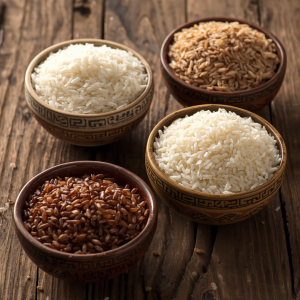
A Unique Agricultural Heritage
Sri Lanka possesses a rich collection of traditional rice varieties that have been cultivated for generations.
Varieties such as:
represent a heritage that is difficult to replicate elsewhere.
For international buyers, these varieties offer something increasingly valuable: authenticity.
In a marketplace filled with standardized commodity products, consumers are often willing to pay more for foods with a clear origin, story, and cultural identity.
Growing Global Interest in Traditional and Heritage Foods
Across many countries, consumers are becoming more interested in foods that are:
- Less processed
- Traditionally cultivated
- Naturally sourced
- Connected to cultural heritage
This trend has created demand for heritage grains from around the world.
Just as quinoa gained global recognition from South America and ancient grains gained popularity in Western markets, Sri Lankan heirloom rice is increasingly being discovered by consumers seeking new and authentic food experiences.
Demand for Whole Grain and Natural Foods
Many traditional Sri Lankan rice varieties are consumed as whole grain products.
This aligns with growing global interest in:
- Whole foods
- Natural ingredients
- Plant-based diets
- Traditional food systems
Consumers are increasingly looking beyond conventional white rice and exploring alternative grains with distinctive characteristics and culinary applications.
Beyond Rice: Expanding into Value-Added Products
One of the most important reasons for increasing international demand is that traditional rice is no longer limited to being sold as rice alone.
Today, Sri Lankan heirloom rice is being incorporated into a growing range of value-added products including:
- Traditional porridge blends
- Rice flour
- Rice-based pasta
- Breakfast products
- Snack foods
- Functional food products
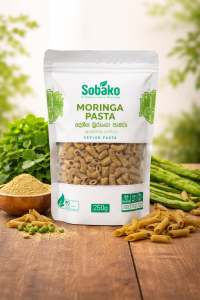
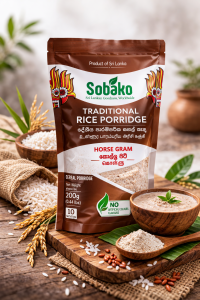
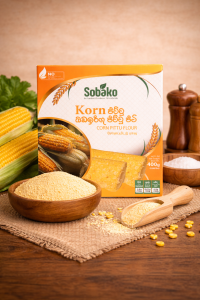
This evolution allows manufacturers and importers to introduce traditional grains into modern food categories that appeal to contemporary consumers.
As a result, demand is growing not only from households but also from food processors, retailers, and product developers.
Traditional Grains for Modern Lifestyles
Modern consumers often seek convenience without completely abandoning traditional nutrition.
Products developed from heirloom rice help bridge this gap.
For example:
- Traditional rice can be transformed into quick-preparation porridge blends
- Rice flour can be used in modern baking and food manufacturing
- Rice-based pasta can provide a familiar format using traditional ingredients
- Rice snacks can introduce heritage grains to younger consumers
These innovations expand the commercial potential of Sri Lankan rice beyond conventional export channels.
Opportunities for Importers and Food Manufacturers
Specialty Food Retail
Consumers increasingly seek unique foods with authentic origins.
Health and Wellness Markets
Traditional grains align well with natural and whole-food product positioning.
Ethnic and Cultural Food Segments
Sri Lankan foods continue to gain visibility among international consumers.
Product Innovation
Ancient rice varieties can be used as ingredients for new product development across multiple food categories.
How Sri Lankan Producers Are Supporting This Growth
Sri Lankan food manufacturers and agricultural businesses are increasingly investing in:
- Improved processing capabilities
- Modern packaging
- Export quality standards
- Product innovation
- Value-added food development
These improvements help traditional rice varieties compete in international markets while preserving their heritage identity.
From Heritage Grain to Global Opportunity
A single factor does not drive the growing demand for Sri Lankan heirloom rice exports.
It is the result of several global trends coming together:
- Interest in traditional foods
- Demand for authentic ingredients
- Growth of natural food markets
- Expansion of value-added products
- Consumer curiosity about global cuisines
As traditional rice evolves into porridge, flour, pasta, snacks, and other food products, its international relevance continues to expand.
Final Note from Sobako
At Sobako, we believe Sri Lanka’s traditional rice varieties have the potential to reach far beyond their historical role as staple foods.
By combining heritage grains with modern food innovation, we aim to support the growing global appreciation for authentic Sri Lankan ingredients and value-added food products.
Conclusion
Sri Lankan heirloom rice represents more than a traditional agricultural product. It is a versatile ingredient with applications across modern food categories and international markets.
As consumers increasingly seek authentic, natural, and culturally meaningful foods, traditional Sri Lankan rice varieties are well positioned to play a larger role in the global food industry.