
Is Lanka Basmati (Asuda rice) the same as Imported Basmati rice?
Introduction
Lanka Basmati (Asuda rice)
In Sri Lanka, “Lanka Basmati” is a commonly used name for a traditional rice variety known as Asuda rice (අසූදා සහල්). However, this name often creates confusion among consumers who expect it to be similar to imported Pakistani or Indian basmati rice.
This guide explains what Lanka Basmati really is, its traditional origin, how it compares to other rice types, and why it remains an important part of Sri Lankan diets.
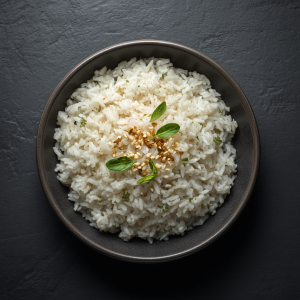
What is Lanka Basmati (Asuda Rice)?
Asuda rice is a traditional Sri Lankan long grain rice variety.
The name “Asu-da” (අසූ දා) comes from its traditional meaning of “80 days”, referring to its approximate harvest cycle.
Over time, because of its relatively long grain appearance compared to other Sri Lankan rice varieties, it became popularly known in trade and markets as “Lanka Basmati”.
However, it is important to understand that this is a modern descriptive name, not a true botanical basmati variety.
Why is it called Lanka Basmati?
The term “Lanka Basmati” was introduced informally in the market for easier consumer understanding.
It is used because:
- The grain is longer than most traditional Sri Lankan rice varieties
- It visually resembles basmati-style rice
- It is easier for consumers to understand in modern trade
However:
Lanka Basmati is not the same as imported basmati rice from Pakistan or India.
Lanka Basmati vs Imported Basmati Rice
A major point of confusion for many consumers is how Lanka Basmati compares to imported basmati rice.
Imported Basmati Rice (Pakistan and India)
- Very long and slender grains
- Highly uniform appearance
- Export standard aromatic varieties
- Strong international branding
Lanka Basmati (Asuda Rice)
- Long grain traditional Sri Lankan rice
- Slightly shorter than imported basmati
- Less uniform but naturally cultivated
- Part of Sri Lanka’s traditional rice heritage
In simple terms, Lanka Basmati is long grain Sri Lankan rice, but not equivalent to imported basmati.
Cooking Characteristics
One of the key strengths of Asuda rice is its cooking behavior:
- Long grain texture
- Cooks fluffy and separate
- Does not become sticky or glutinous
- Similar cooking behavior to nadu or basmati style rice
This makes it suitable for everyday household meals.
Best Uses of Lanka Basmati
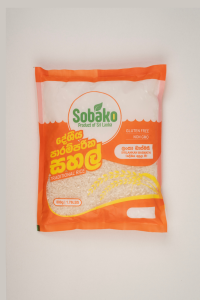
Lanka Basmati (Asuda rice) is widely used for:
- Everyday rice and curry meals
- Balanced home-cooked diets
- Light meals with vegetables and curries
- Traditional Sri Lankan herbal rice porridge (kenda)
Because of its non-sticky texture, it works well in both simple and mixed dishes.
Nutritional Overview
Asuda rice is a whole-grain traditional rice variety, meaning it retains more natural nutrients compared to highly polished rice.
Key nutritional qualities include:
- Naturally contains B complex vitamins
- Provides slow-releasing energy
- Contains dietary fiber depending on milling level
- Naturally low in fat and sodium
- Suitable for balanced daily diets
Important Clarification for Consumers
It is important to set the right expectation:
If you expect very long grain imported basmati, this rice will not be identical.
If you expect a traditional Sri Lankan long grain rice with natural characteristics, this is exactly what Lanka Basmati offers.
Understanding this difference helps improve cooking satisfaction and product experience.
Traditional Identity of Asuda Rice
Beyond its market name, Asuda rice carries cultural significance.
- It is a traditional Sri Lankan rice variety
- Its name reflects the “80-day” cultivation cycle
- It has been part of local diets for generations
- It represents Sri Lanka’s agricultural heritage
Final Note from Sobako
At Sobako, we refer to Asuda rice as Lanka Basmati to help modern consumers understand its appearance and category, while still respecting its traditional identity as Asuda (අසූ දා සහල්).
Our goal is to provide clarity, transparency, and trust so customers know exactly what they are buying.
Conclusion
Lanka Basmati (Asuda rice) is not just a product name. It is a traditional Sri Lankan rice variety with its own identity, cooking characteristics, and cultural value.
When understood correctly, it becomes a reliable and versatile rice choice for everyday cooking.