
Introduction
Rice has been a central part of Sri Lankan life for thousands of years, shaping culture, farming traditions, and daily meals. Ancient irrigation systems and heirloom rice varieties reflect a deep agricultural heritage that continues to influence nutrition and food practices today.
Choosing the best rice for your family in Sri Lanka can be confusing with so many rice varieties available. From traditional heirloom rice to modern long grain varieties, each type has different nutrition, texture, and cooking characteristics.
This guide will help you choose the right rice based on your family’s needs, lifestyle, and health goals.
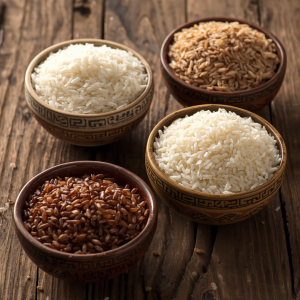
Step 1: Understand Your Family’s Eating Needs
Before choosing rice, think about how your family eats daily:
- Do you prefer soft or firm rice?
- Do you eat rice multiple times a day?
- Are you looking for weight management or energy?
- Do you have children or elderly family members?
Different rice varieties suit different needs.
Step 2: Choose the best rice for your family based on daily needs
For Everyday Balanced Meals
Best options:
- Red raw rice (Rathu Kekulu varieties)
- Asuda rice (Lanka Basmati)
These are ideal for daily curries and balanced nutrition.
For Health and Nutrition Focus
Best options:
- Heenati rice
- Kalu Heenati
- Pachchaperumal
These heirloom varieties are traditionally valued for their nutritional richness and whole grain benefits.
For Aromatic and Premium Meals
Best options:
- Suwandel rice
- Selected premium traditional varieties
These are best for special meals, guests, and traditional recipes.
For Soft, Fluffy Long Grain Preference
Best options:
- Asuda rice (Lanka Basmati)
- Selected red rice long grain varieties
These cook fluffy and separate, making them suitable for those who prefer basmati-style texture.
For Rural Style Traditional Diets
Best options:
- Madathawalu
- Batapolal rice
- Other hardy traditional varieties
These are suited for simple, traditional home cooking.
Step 3: Match Rice with Health Goals
For weight management
- Choose: red rice, Heenati, or other whole grain varieties
- Why: slow energy release and higher fiber
For energy and active lifestyle
- Choose: Asuda rice or red rice
- Why: balanced carbohydrates for daily energy
For traditional wellness diet
- Choose: Heenati or Pachchaperumal
- Why: heritage grains used in traditional diets
Step 4: Consider Cooking Style
- Sticky rice is NOT typical in Sri Lankan heirloom varieties
- Most traditional rice is fluffy or separate when cooked
- Water ratio and cooking method also affect texture
Step 5: Don’t Confuse Name with Experience
One of the most common mistakes is choosing rice based only on name.
For example:
- “Lanka Basmati (Asuda)” is not the same as imported basmati
- Red rice includes multiple varieties with different textures
- Heirloom rice varies widely in cooking behavior
Always understand the type, not just the label.
Simple Family Guide Summary
- Everyday meals → Red rice or Asuda rice
- Health-focused diet → Heenati or Pachchaperumal
- Premium meals → Suwandel rice
- Traditional rural style → Madathawalu or Batapolal
Final Note from Sobako
When choosing rice for your family, it is important to consider long-term eating habits rather than just one meal preference. Families that eat rice daily may benefit from different varieties depending on health, digestion, and energy needs. Understanding rice types helps you make better decisions for your household nutrition. At Sobako, we offer a range of traditional Sri Lankan rice varieties to suit different family needs. Our goal is to help you choose rice not just by name, but by lifestyle, health, and cooking preference.
Conclusion
Choosing the right rice is not about finding one “best” variety. It is about choosing the best rice for your family in Sri Lankan lifestyle and nutrition needs. Understanding Sri Lanka’s traditional rice varieties helps you make better, healthier, and more informed decisions for everyday meals. depends on health goals, taste preferences, and cooking style.